

Steam Cleaning Training Site


The marvel of modern industrial cleaning isn’t a new chemical or scrubbing tool—it’s steam. Steam has been used for cleaning purposes for well over a century, but it’s only in recent decades that we’ve harnessed its true potential in an industrial context. Industrial steam cleaners, while rooted in simple science, have become intricate machines tailored for various rigorous cleaning tasks.
The concept behind steam cleaning is deceptively simple. When water is heated beyond its boiling point, it becomes steam. This steam, when applied with pressure, can dislodge dirt, grease, and other contaminants from surfaces. Initially, steam cleaning was used predominantly in domestic settings, helping homeowners tackle stubborn stains and deep cleaning tasks. However, as the technology matured and the benefits became clear, it swiftly found a home in the industrial sector. The modern industrial steam cleaner is a culmination of years of innovation, combining efficient heating elements, high-pressure systems, and user-friendly interfaces.
The utility of steam cleaning in an industrial context cannot be understated. For one, steam cleaners are champions of hygiene. The high temperatures not only remove dirt but also sanitize, killing bacteria and other pathogens—a critical feature in sectors like food processing and healthcare.
Additionally, these cleaners are remarkably eco-friendly. Given that they primarily use water, industries can drastically reduce their reliance on chemicals. This not only helps in reducing environmental impact but also cuts down operational costs associated with buying cleaning agents.
Manufacturing plants, with their large machinery and extensive floor space, benefit from the efficiency and speed of steam cleaners. In the automotive industry, steam ensures that vehicles and parts are pristine, directly influencing product quality and customer satisfaction. The hospitality sector, which includes hotels and restaurants, relies on steam cleaners to maintain high standards of cleanliness, ensuring guest satisfaction and safety.
In essence, the adoption of steam cleaners across various industries isn’t just a trend; it’s a testament to their effectiveness, efficiency, and the growing emphasis on sustainable operational practices.
As we journey through this guide, we’ll delve deeper into the nuances, benefits, and best practices associated with industrial steam cleaners, ensuring that by the end, you’re well-equipped to make informed decisions, whether you’re looking to purchase or simply to understand the technology better.
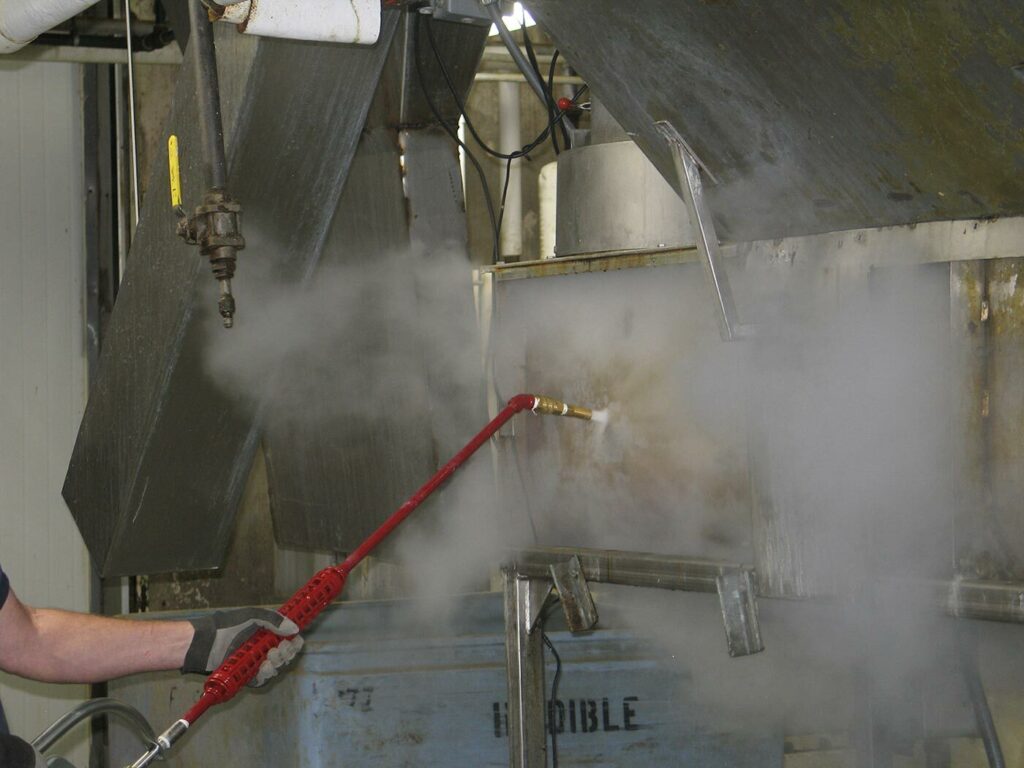
As we delve into the world of industrial steam cleaners, it’s essential to establish a foundational understanding. What exactly is an industrial steam cleaner? What are its core components? And what’s the underlying science that allows it to perform so effectively?
An industrial steam cleaner is a machine designed specifically for heavy-duty cleaning tasks in industrial environments. It generates steam by heating water to high temperatures and then applies this steam at pressure to clean surfaces. While the basic function is to clean, its applications are myriad:
Deep Cleaning: The pressurized steam penetrates into the nooks and crannies, ensuring thorough cleaning.
Sanitizing: High temperatures mean it doesn’t just clean—it sanitizes, killing bacteria, fungi, and other pathogens.
Degreasing: Particularly in industries like automotive or manufacturing, steam cleaners are used to remove grease from machinery and parts.
Deodorizing: Steam has the added advantage of neutralizing odors, which can be beneficial in sectors like waste management or food processing.
While specific models and brands, like those from Sioux, might have unique features and proprietary technology, most industrial steam cleaners share some core components:
Boiler or Heating Coil: This is where water is heated to produce steam. The quality of production steel and design can significantly impact the efficiency and longevity of the cleaner.
Water Supply: A direct feed or reservoir that supplies or stores water before it’s turned into steam. The flow rate of the water supply and size of the tank will be crucial in determining the right system for each application.
Pump: This component ensures that the steam supply is constant, improving the machine’s cleaning capability.
Nozzles and Hoses: These are the delivery mechanisms, designed to channel the steam to the specific areas that need cleaning. They come in various designs, suited for different tasks.
Control Panel: A user interface that allows operators to set up the machine and monitor settings ensuring optimal performance for each task.
Note: Brands like Sioux have specialized components and features that set them apart in the market, reflecting their industry expertise and commitment to innovation.
The effectiveness of steam cleaners is rooted in two fundamental scientific principles:
Thermal Energy: When water is heated, its molecules gain energy and move faster. This energy, when transferred to dirt or grease, breaks down their structure, making them easier to remove. Additionally, many microorganisms are sensitive to temperature and are destroyed when exposed to steam’s heat.
Pressure Dynamics: By applying steam under pressure, the force exerted effectively dislodges dirt and contaminants from surfaces. The steam penetrates deeper, ensuring a thorough clean. Additionally, the rapid expansion of steam means that a small amount of water can cover a large area, making the cleaning process efficient.
With a basic understanding established, our journey into the intricacies of industrial steam cleaners will explore their applications, benefits, and best practices, ensuring a holistic perspective on this remarkable technology.

As industries evolve, the demand for innovative and efficient cleaning solutions rises. Industrial steam cleaners have emerged as the go-to option for many sectors. But what makes them so sought-after? Let’s unpack the manifold advantages they bring to the table.
Superior Sanitization: The intense heat of the steam doesn’t merely displace dirt but eradicates harmful pathogens. In environments where hygiene is of the essence, such as hospitals or food processing units, steam cleaning ensures a near-sterile setting. There are no bacteria that can survive the high heat of steam.
Deep Cleaning Capabilities: Traditional cleaning methods often fail to reach the minute crevices or pores in surfaces. The penetrative power of steam means that even the most stubborn residues or tucked-away contaminants can be effectively removed.
No Residue: Unlike cleaning agents that might leave a residue, steam evaporates, ensuring the surface remains clean and free from any films or deposits.
Quicker Cleaning Times: The combined power of heat and pressure accelerates the cleaning process. What might take hours with conventional methods can be achieved in a fraction of the time.
Reduced Drying Time: Given that steam cleaners use less water than traditional cleaning methods, surfaces dry faster, minimizing downtime.
Versatility: A single steam cleaner can often replace several other cleaning devices, making it a one-stop solution for various cleaning challenges.
Less Down Time: Many production lines can be returned to service faster without concerns of chemical contamination from cleaning products.
Reduced Need for Cleaning Agents: By relying on water, industries can cut back on the recurring cost of detergents and chemicals. There are no concerns regarding expiring chemicals or improper dilution of concentrated products.
Durability of Machinery: A well-maintained steam cleaner, especially those from trusted brands, can last for decades, ensuring a good return on investment.
Prevention of Damage: Effective cleaning prolongs the lifespan of machinery and infrastructure. By removing corrosive substances or preventing build-ups, steam cleaning can stave off wear and tear.
Decreased Chemical Use: A move away from chemical cleaning agents is a step towards eco-friendliness. By reducing the release of potentially harmful substances into the environment, steam cleaning promotes a greener operational footprint.
Water Conservation: Though it might seem counterintuitive, steam cleaning uses less water than many traditional cleaning methods. A small amount of water can produce a significant volume of steam, promoting efficient water use.
Safe Waste: With less chemical involvement, the waste generated after cleaning is less hazardous and easier to manage in an eco-friendly manner.
Armed with an understanding of the myriad advantages, it becomes evident why industrial steam cleaners are increasingly becoming a staple in diverse sectors.
Beyond mere cleaning, they offer a holistic solution, balancing efficiency, cost-effectiveness, and environmental consciousness.

Choosing the right industrial steam cleaner can be a transformative decision for your operations. However, the market is saturated with various models and brands, making it imperative to discern the essential features that define a top-tier machine. Here, we outline the key attributes to consider when scouting for a quality industrial steam cleaner.
Effective Sanitization: A machine that can consistently produce steam at higher temperatures will ensure better sanitization, killing a broader range of pathogens and ensuring a more hygienic environment.
Dissolving Stubborn Residues: Higher temperatures mean steam can dissolve stubborn stains, oils, and residues with greater ease. This is particularly useful in industries where heavy greases or industrial compounds are commonplace.
Rapid Steam Generation: A machine capable of reaching high temperatures quickly and maintaining them consistently ensures that there’s minimal wait time, making the cleaning process faster and more efficient.
Long-term Investment: A robust steam cleaner, built with quality materials, guarantees longevity, ensuring that your investment pays off over a longer period.
Withstanding Industrial Environments: Industrial settings can be harsh. Machines constructed with sturdiness can withstand heavy and continuous use without significant wear and tear.
Low Maintenance: A durable machine typically requires less frequent maintenance, ensuring that operations aren’t frequently disrupted for repairs or upkeep.
Serviceability: Quality machines include parts that can be serviced which means that the whole machine will last. Being able to replace pumps, valves and other components ensures cost effective performance over the long term.
Cost Savings: A machine that uses energy efficiently can lead to considerable savings on utility bills in the long run.
Eco-friendly Operations: Lower energy consumption translates to a reduced carbon footprint, allowing businesses to align with sustainability goals and potentially qualify for green certifications or incentives.
Effective Heat Retention: A well-insulated machine retains heat better, requiring less energy to keep the water boiling and produce steam continuously.
Automatic Shut-off: In the event of malfunctions or when water levels are too low, an auto shut-off feature ensures the machine turns off, preventing potential damage or hazards.
Pressure and Temperature Release Valves: To prevent the build-up of excessive pressure or heat, release valves are essential. They ensure the machine operates within safe limits.
Clear Indicators: Visual or auditory signals indicating the machine’s status, such as ‘ready to use’ or ‘refill required’, can prevent mishaps and ensure the user is always informed.
When choosing an industrial steam cleaner, focusing on these essential features ensures not only an effective cleaning solution but also an investment that will provide value for years to come. As always, aligning your specific needs with the features of a machine is crucial, ensuring a harmonious balance between requirements and capabilities.

In the world of industrial steam cleaners, one size doesn’t fit all. Different operational environments, tasks, and preferences dictate the need for a variety of models. Here, we explore the primary types of steam cleaners available in the market, shedding light on their unique features and where they shine the brightest.
Description: These models derive their power from electrical sources. They are equipped with electric heating elements that boil the water to produce steam.
Consistent Power Supply: As long as there’s electricity, these machines can operate continuously without the need for refueling.
Eco-friendly: With no emissions, electric-powered steam cleaners are environmentally friendly, particularly when powered by green energy sources.
Quieter Operations: Typically, these models generate less noise compared to their gas or diesel counterparts.
Description: These machines utilize gas or diesel as fuel to heat water and produce steam. They often have an internal combustion engine or burner.
High Power: Often, gas or diesel models can generate higher temperatures and pressure compared to electric models, ensuring powerful cleaning.
Portability: Being independent of electrical outlets, they can be used in remote or outdoor locations with ease.
Rapid Heating: The combustion process often results in quicker heat generation, reducing waiting times.
Higher Output: Generally speaking, fuel fired machines are able to produce a higher output of steam. Comparable electric systems require 575V which is less available in most settings.
Electric-Powered: Ideal for indoor environments or places with readily available electrical supply. They’re best suited for operations prioritizing eco-friendliness and quieter performance, like hospitals or food processing units.
Fuel Fired: Perfect for outdoor settings, large industrial sites, or places without immediate access to electricity. Fuel fired machines can be fully portable. They can also integrate into current natural gas or propane infrastructure. Their powerful cleaning makes them a favorite in heavy industries like construction or large-scale manufacturing.
Understanding the various types of industrial steam cleaners is pivotal in making an informed decision tailored to your specific needs. While each has its strengths, the optimal choice hinges on the unique requirements and constraints of your operational environment.

One of the most impactful ways to appreciate the value of industrial steam cleaners is to delve deep into the offerings of industry leaders. Sioux Corporation stands tall as a testament to quality and innovation in this arena. Let’s delve into their world.
Origins and Legacy: Founded in 1939, Sioux Corporation has cemented its legacy as a pioneer in crafting industry-grade steam cleaners, steam generators, water heaters, and related equipment. With over eight decades of expertise, they’ve built a reputation for excellence.
Philosophy: At its core, Sioux values quality, durability, and performance. Their commitment to these principles is evident in every product they roll out.
Global Reach: With a presence spanning continents, Sioux serves industries worldwide, a testament to their universal appeal and top-tier standards.
High-Temperature Output: Sioux steam cleaners are renowned for their ability to produce high-temperature steam consistently, ensuring optimal cleaning and sanitization.
Durability: Built with industrial-grade materials and designed for longevity, Sioux machines stand the test of time, even in the harshest of environments.
Energy Efficiency: Incorporating cutting-edge technologies, Sioux models prioritize energy efficiency, leading to cost savings and eco-friendly operations.
Safety Protocols: Sioux doesn’t compromise on safety. Their machines come equipped with state-of-the-art safety features, ensuring risk-free operations at all times.
Sioux Corporation is more than just a brand; it’s a promise of quality and performance. Through their products, they’ve transformed operations across industries, setting the gold standard for what industrial steam cleaners should offer. Their legacy, coupled with glowing testimonials, underscores the pivotal role they play in shaping cleaner, more efficient industries.

Industrial steam cleaners, while revolutionary, are intricate machines that demand proper handling and maintenance. Ensuring their optimal performance not only hinges on how you use them but also on how you care for them. Here, we explore best practices to guarantee the longevity and efficacy of these powerful tools.
Read the Manual: Before operating any steam cleaner, familiarize yourself with the user manual. Each machine might have unique functionalities and safety protocols.
Wear Protective Gear: Always wear safety gloves and goggles to prevent any accidental steam burns or exposure to flying debris during cleaning.
Ensure Proper Ventilation: When using steam cleaners, especially indoors, ensure adequate ventilation to prevent excessive moisture buildup.
Check Connections: Before powering up, always check hoses, nozzles, and other connections to ensure they’re securely fitted.
Regular Inspection: Periodically inspect the machine for any signs of wear, damage, or leaks. Early detection can prevent more significant issues down the line.
Clean After Use: After each session, empty the machine, and give it a quick clean to prevent mineral buildup and residue accumulation.
Replace Worn Out Parts: Components like nozzles, hoses, or seals might wear out with time. Replace them promptly to maintain the machine’s performance.
Low Steam Pressure: This could be due to blockages in the nozzle or hose or scale build up in the boiler or coil. Regularly inspect and clean these parts to ensure smooth steam flow.
Machine Doesn’t Power Up: Check the power source, fuse, or any tripped breakers. If everything seems fine, it might be an internal issue, demanding professional attention.
Intermittent Steam: This can be caused by low water levels or air pockets in the system. Ensure the tank is adequately filled and occasionally vent the machine to release trapped air.
Regular Servicing: Periodically have your steam cleaner serviced by professionals. This ensures all components are in top shape and addresses potential issues early on.
Store Properly: After use, store the machine in a cool, dry place. Avoid exposing it to extreme temperatures or moisture. Sioux industrial steam cleaners can be filled with antifreeze to protect the coils in winter months.
Operate Within Limits: Always adhere to the machine’s specified limits regarding temperature, pressure, and capacity. Overloading or pushing the machine too hard can reduce its lifespan.
While industrial steam cleaners are robust and designed for tough jobs, their longevity and performance largely depend on how they’re handled and maintained. Adopting a proactive approach to their care can yield years of efficient, trouble-free service, maximizing the return on your investment.

The market for industrial steam cleaners in 2023 is both diverse and dynamic. The multitude of choices can be overwhelming, but making an informed purchase decision ensures you get value for your money. Here’s a guide to steering through the maze of options and securing the best machine for your needs.
Assess Your Needs: Before delving into the market, understand your requirements. What tasks will the cleaner handle? What scale of operation will it support? WIll your business be growing? Getting clarity on these aspects can narrow down options considerably.
Budget: Industrial steam cleaners come in a variety of price ranges. Determine a budget but remain flexible, focusing on value over cost. Remember that the sweetness of a cheap price will be forgotten when the bitterness of poor quality sets in.
Features and Specifications: Look out for machines that match your specific requirements in terms of temperature, pressure, and capacity. Don’t pay for features you won’t utilize.
Brand Reputation: Opt for brands with a solid reputation in the market. Established brands often guarantee quality and robust after-sales service.
Peace of Mind: A comprehensive warranty assures you that the manufacturer stands by their product. It’s a safety net against manufacturing defects or early wear and tear.
Value Proposition: Machines with extended warranties might cost more upfront but can save money in the long run by covering repair or replacement costs.
After-Sales Service: A brand’s commitment to after-sales service speaks volumes about its customer-centric approach. Regular servicing, available spare parts, and prompt customer support can significantly enhance the machine’s life and performance.
Local Distributors:
Advantages: You get to physically inspect the product, seek expert advice, and often get hands-on demos. Local distributors can also provide quicker after-sales services. Local Sioux distributors attend factory training and know the most up to date information about the market.
Disadvantages: Your local distributor may be far from your location – if they service all of Ontario that can be a far drive. You may also be interested in a second quote for the same equipment – most distributors have a specific territory so you won’t find two options in one area.
Advantages: Access to a broader range of products, often at competitive prices. User reviews and ratings can provide insights into the product’s real-world performance.
Disadvantages: Can’t physically inspect the product before purchase. Depending on the seller, after-sales service might be a challenge.
2023 presents a market brimming with choices for industrial steam cleaners. By grounding your decision-making process in research, reviews, and clarity about your needs, you can ensure you navigate the market effectively. And remember, while the machine’s upfront cost is essential, the value it brings in terms of performance, longevity, and after-sales support is the true benchmark of a wise purchase.

As we wrap up our comprehensive guide on industrial steam cleaners for 2023, it’s crucial to reflect on the journey we’ve undertaken and the horizons we’ve explored. From understanding the basic principles of steam cleaners to navigating the bustling market, the significance of these machines across diverse industries is evident.
The Basics: We embarked by demystifying what industrial steam cleaners are, diving deep into their components and the underlying science propelling their functionality.
Benefits: The manifold advantages range from achieving unparalleled cleanliness to the realizations of cost-effectiveness and profound environmental contributions.
Features and Types: A quality steam cleaner is defined by its features, like high-temperature capabilities and energy efficiency. Furthermore, we explored the myriad of steam cleaner types available, each with its distinct attributes.
Usage and Maintenance: Proper handling and consistent maintenance form the backbone of ensuring a machine’s longevity and peak efficiency.
Navigating the 2023 Market: Armed with knowledge, we offered insights into making astute purchase decisions, emphasizing the crucial role of warranties and weighing in on various purchase channels.
The trajectory for industrial steam cleaners is decidedly ascendant. With industries gravitating towards eco-friendliness, efficiency, and rigorous health standards, these machines are positioned at the cusp of this evolution. Technological leaps are set to refine their capabilities, embedding them even more deeply into modern industrial practices.
Knowledge stands as a formidable ally, and with this guide, you’re armed to make decisions that resonate with your needs and ensure unparalleled value. Investing in an industrial steam cleaner transcends merely acquiring a machine; it signifies an enhancement in operational efficiency, an unwavering commitment to cleanliness standards, and a pledge to a sustainable future. As you venture into the market, it’s pivotal to keep quality, durability, and post-purchase support at the forefront of considerations.
And while numerous options flood the market, we’d like to spotlight Intersteam as a top-tier solution for industrial steam cleaning needs. With a reputation for excellence and innovation, making it a standout choice for those seeking the best in 2023.
The world of industry tools and machinery is in perpetual motion, with industrial steam cleaners serving as a beacon of innovation meeting necessity. Whether seasoned in the field or a newcomer, the unparalleled value that these machines introduce is irrefutable. Here’s to a cleaner, more adept, and sustainable future in the industries of 2023 and beyond!
Crediting the Source Materials Used in the Blog Post
Sioux Corporation: The extensive knowledge base, FAQs, and product details from Sioux played an instrumental role in shaping various sections of this guide. Their dedication to quality and expertise in the field is commendable.
Visit Sioux’s official website.
(800) 281-4413 or (905) 526-1453
Mailing Address:
P.O. Box 35 Rockton, ON, L0R 1X0
Hours: M-F 9:00AM to 5:00PM
(Note: As the content derived from the Sioux website was predominant, it’s the primary reference. In actual scenarios, other references can be added based on the sources used.)
